Tuesday, June 5, 2012

[June 5] Sima Lun, emperor of China


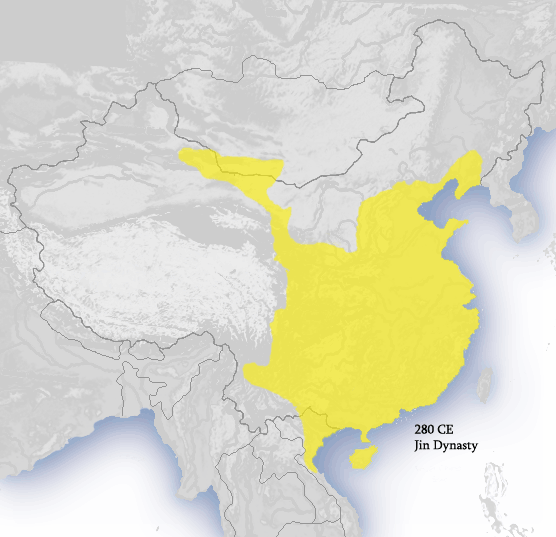
China during the Jin Dynasty, including the War of the Eight Princes
Full Name: 司馬倫
Parents: Sima Yi (Xuan), posthumous emperor of China, and Lady Bai
Date of Birth: before 249
House: Jin
Predecessor: Hui
Reign: 301
Summary: China after the fall of the Han Dynasty was often in turmoil. The Jin Dynasty arose from the ashes of the Three Kingdoms period as a factional and rival-prone family destined to rule China only for a brief time. Sima Lun was one such rival. He was the youngest son of high Jin administrator and member of the royal family. His nephew, Sima Yan, established the Jin dynasty as Emperor Wu in 265 and Sima Lun was named prince of Langye. He served in various minor posts such as provincial governor and an army general and was accused of various crimes, all pardoned by his nephew. During the reign of Emperor Hui, his grandnephew, Sima Lun was placed in charge of the Qin province where he caused an uprising. He fled to the capital at Luoyang and attempted to flatter himself into an administrative position in the capital, but was rebuffed. The Empress Jia, regent for the emperor, had previously been involved in a conspiracy that saw the overthrow of the crown prince. She replaced him in his regency duties. Sima Lun decided to join the conspirators. He convinced the empress regent to assassinate the deposed crown prince, which she did in 300, but then he declared a coup and had her arrested. Her entire clan was murdered and the empress was forced to commit suicide. Sima Lun then installed himself as regent over the frail Emperor Hui. His co-conspirator and advisor, Sun Xiu, convinced Sima Lun to depose Hui and declare himself emperor of China. Hui's grandson was executed and Hui was placed under house arrest. 

Sima Lun's usurpation of the throne was not taken well by the Chinese people. The new emperor awarded honors to many former rebels to pacify them. He placed most members of the Jin family under guard or house arrest, but one, Sima Jiong, rose up in rebellion first. The other family members joined in the revolt before Sima Lun could quiet them. His forces were quickly defeated by a joint army of Jin soldiers from various provinces, all preceded over by Jin family members. The usurper was captured in Luoyang and forced to restore Hui to his throne. He was then commanded to commit suicide. His advisors were all executed for supporting a usurper and all of Sima Lun's sons were tracked down and forced to commit suicide.
Date of Death: 5 June 301
Successor: Hui

Other Monarch Deaths:
Epiphanius, patriarch of Constantinople (535)
Sanjo, emperor of Japan (1017)
Louis X, king of France (1316)
Dmitry, grand prince of Vladimir (1383)
Bodawpaya, king of Burma (1819)
Edward VIII, king of the United Kingdom (1972)

Monday, June 4, 2012

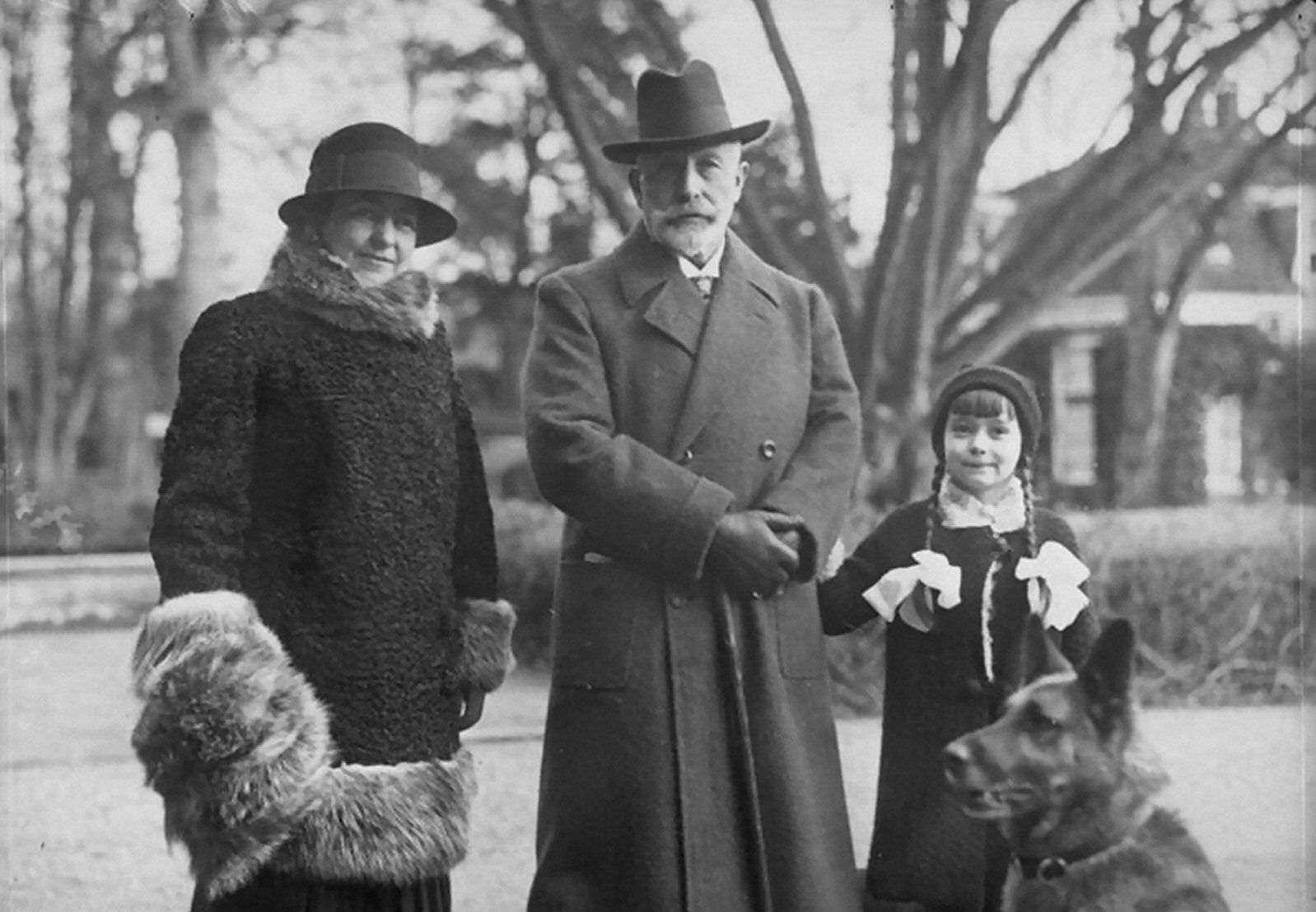
[June 4] Wilhelm II, emperor of Germany


Full Name: Friedrich Wilhelm Viktor Albrecht von Preußen
Parents: Frederick III, emperor of Germany, and Victoria of the United Kingdom
Date of Birth: 27 January 1859
House: Hohenzollern
Spouse: (1) Augusta Victoria, daughter of Frederick VIII, duke of Schleswig-Holstein, and Adelheid of Hohenlohe-Langenburg, then (2) Hermine, daughter of Heinrich XXII, prince of Greiz, and Ida Mathilde Adelheid of Schaumburg-Lippe
Predecessor: Frederick III
Reign: 1888 – 1918
Summary: In the world of monarchs, Emperor Wilhelm II of Germany is often viewed as one of the most vile, comparable to the likes of Attila the Hun, Genghis Khan, or Napoleon I. In many ways, he is very much like them in his vision, but his status as the last monarch of the German Empire and the promoter of the First World War has left an indelible mark on his name. He was the eldest son of the eldest daughter of Queen Victoria of the United Kingdom, and as such held a high status among her grandchildren, many of whom ruled or sat beside rulers of monarchies in Europe. Wilhelm was raised in the military arts at a very young age and the prince was rarely seen out of uniform. This strongly effected his later development as emperor. Wilhelm watched in awe as his grandfather and father unified Germany in the 1860s, yet by the 1870s, Wilhelm had grown distant from his family, partially due to the machinations of Otto von Bismarck. When Emperor Wilhelm I died in 1888, Prince Wilhelm's father was already in the advanced stages of throat cancer. Three months later, Wilhelm II was the third and final German Emperor. 

Bismarck continued to try and administer the empire for Wilhelm, but the young emperor wanted none of it. By 1890, Bismarck was forced out of the government and Wilhelm took over control of the government directly. Wilhelm II supported the arts and sciences, promoted workers rights, and sought expansion both in Europe and abroad. Attempts to colonize areas in Asia and Africa largely failed, requiring heavy resources to support little if any profit. To support his goal of expansion, Wilhelm financed a complete overhaul of the German navy with the goal of rivaling the navy of Britain. This all led to the unfortunate events of 1914. Wilhelm was a personal friend of the Archduke Franz Ferdinand and his assassination on 28 June 1914 led to Wilhelm agreeing to help Austria tracked down the Black Hand leadership, which was responsible for the kill. Austria agreed to declare war on Serbia, which in turn triggered Russia to declare war on Austria. Germany had no choice but to respond and decided that attacking France would be the better first move in a war that was sure to include France and Britain. World War I thus began. Throughout the war, Wilhelm became increasingly distant from the government and military, becoming merely a ceremonial figure in the shadow of Chief Field Marshall Paul von Hindenburg. When the United States joined in the war in 1917, Woodrow Wilson made it clear that those who support the German Emperor would not be privy to the peace negotiations. All support for the German Emperor failed, even though Wilhelm was hardly even an active member of the government. The German army and navy broke out in revolt against Wilhelm. With little choice, on 9 November 1918 Wilhelm II abdicated the thrones of the German Empire and the Kingdom of Prussia with other regional sub-monarchs abdicating by the end of the year. Wilhelm boarded a train for the Netherlands and began his life in exile. Queen Wilhelmina of the Netherlands refused to hand over the former emperor to the war crimes courts after the Treaty of Versailles, but Wilhelm remained trapped in a foreign country. During the 1920s and 1930s, he witnessed from a distance the rise of Adolf Hitler and, though he deeply disliked and distrusted the new German leader, he wrote to him regularly congratulating him for his political victories and desire to restore Germany's glory. When Germany conquered the Netherlands in 1940, Wilhelm retired completely from public life. He died at his home in Doorn, Netherlands, surrounded by a Nazi honor guard. He was buried on the grounds of his estate there, having pledged never to be buried in Germany until the monarchy is restored. His eldest son, Wilhelm Victor, succeeded him in his pretentions to the German throne.
Date of Death: 4 June 1941

Other Monarch Deaths:
Conrad II, Holy Roman Emperor (1039)
Huizong, emperor of China (1135)
Przemysl I, duke of Poland (1257)
Dipendra, king of Nepal (2001)

Sunday, June 3, 2012

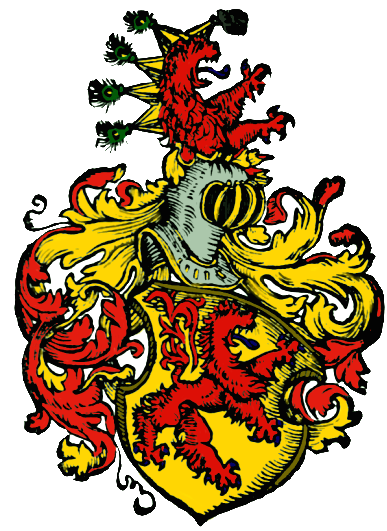
[June 3] Leopold IV, duke of Further Austria


Habsburg family coat of arms
Parents: Leopold III, duke of Austria, and Viridis Visconti
Date of Birth: 1371
House: Habsburg
Spouse: Catherine, daughter of Philip II, duke of Burgundy, and Margaret III, countess of Flanders
Predecessor: Leopold III
Reign: 1386 – 1411
Summary: At only the age of fifteen, Leopold's brother, Duke William of Inner Austria, enlisted him to rule Further Austria. The region of Further Austria included the Habsburg hereditary lands in Swiss Aargau as well as various lands in the west of Austria. Throughout his reign, Leopold would face opposition from the Swiss over which he ruled. In 1391, he was granted sole administration over Further Austria, and in 1396 he added the management of Tyrol in northern Italy to his dossier. By 1393, he was involved in a dynastic marriage that could have had far-reaching consequences if it had produced any heirs. His new wife, Catherine, was a member of the Burgundian royal family and her mother, Margaret, was the countess of Flanders in her own right. Although no heirs were produced, this marriage was an interesting foreshadowing of an actual dynastic alliance that would form about eighty years later.

Ernest and Frederick, two younger brothers of Leopold's, were left in Austria where they earned their own titles as Austrian dukes in 1402. When William, the eldest, died in 1406, Leopold IV became the effective ruler of all the Austrian lands and the head of the family. With no children, Ernest and Frederick began partitioning up Austria for when they succeeded to the throne. Leopold allowed them their game and remained the ruler of Further Austria, granting administration of the eastern lands to his power-hungry younger brothers. Leopold also began to mentor Albert V, the senior member of the junior cadet line of the Habsburgs and the future king of Hungary and Germany. The younger brothers fought Leopold over this move to consolidate Habsburg control, but both brothers in turn later acted as guardians for Albert as well. Leopold died in 1411 and was succeeded by Frederick in Further Austria, with Ernest already ruling Inner Austria.
Date of Death: 3 June 1411
Successor: Frederick IV

Other Monarch Deaths:
Ivan, tsar of Bulgaria (1395)
John XXIII, pope of Rome (1963)

Saturday, June 2, 2012

[June 2] St. Nicephorus I, patriarch of Constantinople


True Name: Νικηφόρος Α΄
Parents: Theodore and Eudokia
Date of Birth: circa 758
Predecessor: Tarasios
Reign: 806 – 815
Summary: The son of an exiled iconoclast, the likelihood that Nicephorus would rise to the highest position in Orthodox Christianity was unlikely at the time of his birth. He became a cabinet secretary under Empress Irene and was an imperial commissioner at the synod of 787. Soon after, he retired to a cloister on the eastern side of the Bosporus until 802 when he became the director of a home for the destitute in Constantinople. The emperor, seeing something in the iconoclast Nicephorus that others did not, supported his nomination as patriarch in 806. The clerics strongly disagreed with the decision but Nicephorus was installed all the same.

His term as patriarch lasted only nine years, during which time most of the Orthodox clergy refused to acknowledge his overlordship. In December 814, he was excommunicated by his own clerics and forced to retire to one of his monasteries. He maintained his staunch support of iconodules in the synod of 815 and recommended himself as patriarch to a new emperor in 820. He died mostly forgotten in 829 as a confessor, and the patriarch Methodios interred the former patriarch in the Church of the Holy Apostles in Constantinople. His reputation was revived in later years due to his universal history of the world, which documented the Biblically-based history of the world from Adam and Eve to his own time. He also documented the history of the iconoclastic movement, which was viewed by both iconoclasts and opponents with respect. He was later canonized despite his controversial views.
Date of Death: 2 June 829
Successor: Theodotos I

Other Monarch Deaths:
Shane, king of Ulster (1567)

Friday, June 1, 2012

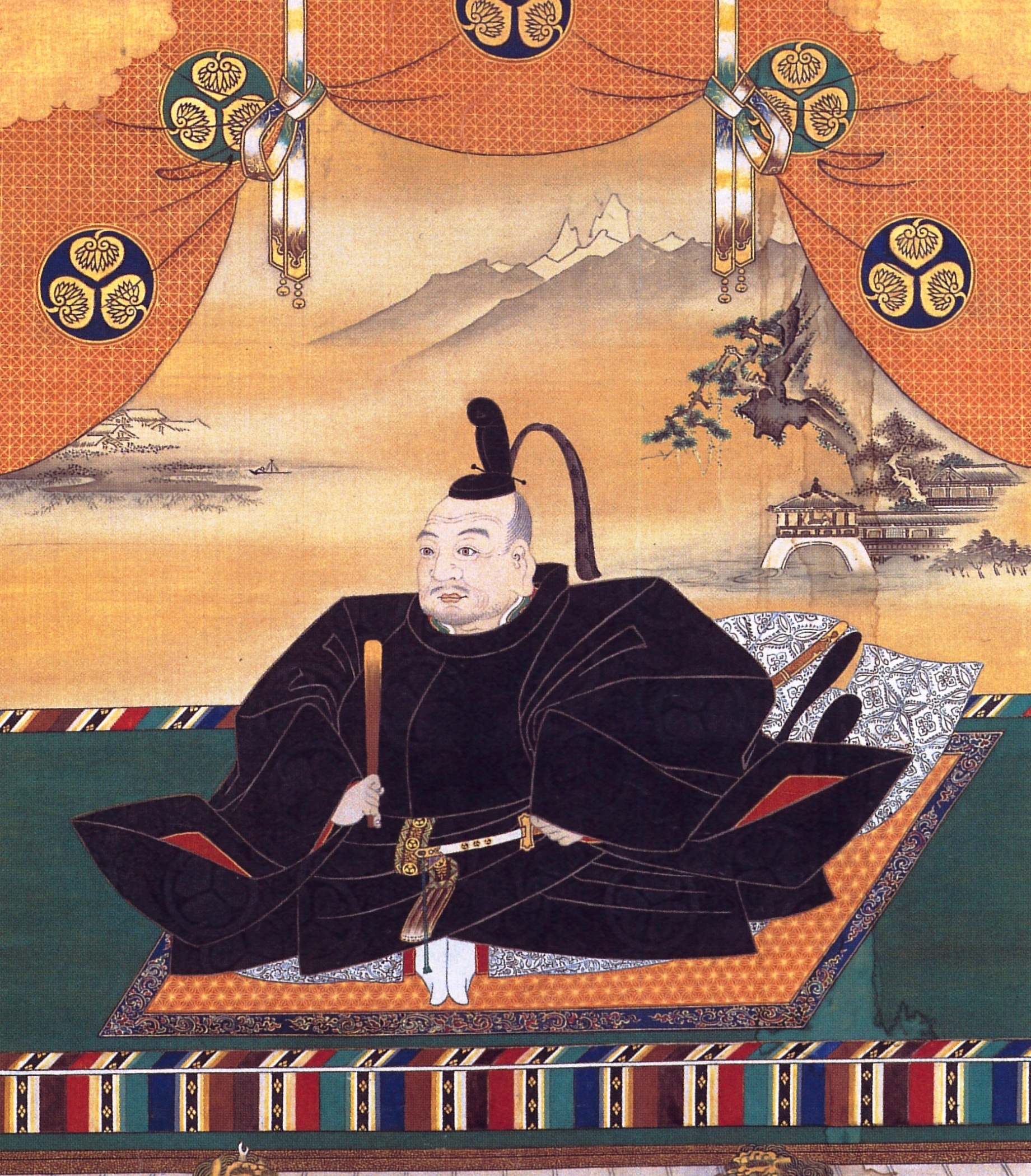
[June 1] Tokugawa Ieyasu, shogun of Japan


True Name: Matsudaira Takechiyo (松平 竹千代), then Tokugawa Ieyasu (徳川 家康)
Parents: Matsudaira Hirotada, daimyo of Mikawa, and Odainokata
Date of Birth: 31 January 1543
House: Tokugawa
Spouse: Saigo, daughter of Tozuka Tadahru, among many other wives
Reign: 1603 – 1605
Summary: Ieyasu was born to the Matsudaira clan to a young ruler of Mikawa. His childhood was spent in peril as his clan split between loyalty to two different warlords. In 1548, Ieyasu was sent as a hostage to a rival clan but was captured by another clan on the way. He was raised at the Manshoji Temple in Nagoya for three years, from the age of six to nine. During his captivity, his father died and Ieyasu was ransomed to his originally intended hostage-holders. He spent the next six years as a titular member of the Imagawa clan. At 16, he changed his name to Matsudaira Jirosaburo Motonobu and married his first wife. He was returned to Mikawa where he became leader of the clan. After a few years of intermittent warfare, he allied with the Oda clan against the Imagawa. He invaded the Imagawa land and captured prisoners and territory. Within ten years, Ieyasu was becoming the most powerful warlord in Japan and had taken his final name, Tokugawa Ieyasu. By taking this name, he claimed descent from the Minamoto clan, a clan descended from the 56th emperor, Seiwa. He used Portuguese firearms to win many of his victories. In 1568, his allies in Clan Oda captured the Japanese capital at Kyoto. Ieyasu continued to conquer Japan with his allies until he was forced to parcel lots off to each ally to pacify them. Meanwhile, at the Battle of Shizugatake, Toyotomi Hideyoshi became the most powerful daimyo (duke) in Japan. In 1584, Ieyasu entered the fight to rule Japan. Already overly powerful, he backed the Odo candidate rather than seek the title of shogun himself. Hideyoshi and Ieyasu fought long and hard until the two agreed to a truce. Hideyoshi adopted Ieyasu's son as heir. The two barely cooperated for the next five years until after 1590 when Hideyoshi defeated the last independent daimyo in Japan. Hideyoshi offered the newly-conquered provinces to Ieyasu in exchange for five provinces that Ieyasu controlled. The two agreed and Ieyasu settled in the lands around Edo where he built up his powerbase and became the second most powerful lord in Japan. Whiel Hideyoshi invaded Korea, Ieyasu sought allies in European powers. Hideyoshi died in 1598 leaving his lands in the control of a young son and regents. Over the next five years, Ieyasu manipulated the politics in Hideyoshi's lands to favor him, and eventually, at the battle of Sekigahara, the biggest battle in Japanese history occurred, where a total of 160,000 men fought. Ieyasu defeated his enemies and became the de facto ruler of Japan.


On March 24th, 1603, Emperor Go-Yozei made Ieyasu shogun of Japan at the age of 60. His dynasty would rule Japan for 250 years. He did little during his actual term in office, mostly centralizing and solidifying his control over Japan. He abdicated two years later to his son, Tokugawa Hidetada. But this was mostly done to leave the actual court proceedings to someone else. He remained in power for the last eleven years of his life. In retirement, he supervised the construction of Edo Castle, the largest fortification in Japan. He negotiated with the Netherlands and Spain thought after 1609 he began to distance Japanese politics from foreign powers. In 1614, he banned Christianity from Japan and expelled all known missionaries and foreigners outside of the city of Nagasaki. Most early Japanese converts, the Kirishitans, fled to Macau and the Philippines. A year later, he centralized the Tokugawa government in the Buke Shohatto. The last two years of his life were focused on defeating the heir of Hideyoshi at Osaka Castle. The castle fell in 1615 and nearly everyone was killed in the aftermath. Ieyasu died the next year at the age of 73 having conquered virtually all of Japan during his lifetime. He passed on to his son a centralized nation of Japan, the first verifiable unified Japanese state.
Date of Death: 1 June 1616
Successor: Tokugawa Hidetada

Other Monarch Deaths:
Gaozu, emperor of China (195 BCE)
Didius Julians, emperor of Rome (193)
Dan II, voivode of Wallachia (1432)
Wladislaus II, king of Poland (1434)
Gregory XVI, pope of Rome (1846)
Napoleon IV, pretender to the French Empire (1879)
Birendra, king of Nepal (2001)

Labels

[brief] (102) female monarch (31) Capet (26) [abbreviated] (19) Roman Empire (17) Great monarchs (16) Japan (15) Papacy (15) England (13) saints (13) France (11) Portugal (11) [Missing Deaths] (11) Habsburg (10) Sweden (10) Byzantine Empire (9) Carolingian (9) China (9) Hohenzollern (9) Oldenburg (9) Holy Roman Empire (8) Japan (dynasty) (8) Aragón (7) Austria (7) Denmark (7) Electorate (7) Ethiopia (7) Hungary (7) Navarre (7) Norway (7) Romanov (7) Russia (7) Saxony (7) Scotland (7) Wettin (7) Wittelsbach (7) Bavaria (6) Burgundy (6) Egypt (6) Italy (6) Lorraine (6) Luxembourg (6) Persia (6) Poland (6) Sicily (6) Spain (6) Valois (6) Capet-Burgundy (5) Franks (5) Germany (5) Plantagenet (5) Prussia (5) Quraish (5) Solomon (Ethiopia) (5) Tuscany (5) Anjou (4) Aquitaine (4) Barcelona (dynasty) (4) Bohemia (4) Brittany (4) Burgundy-Aviz (4) Burma (4) Capet-Valois (4) Castile (4) Constantinople (Patriarchate) (4) Habsburg-Lorraine (4) Holstein-Gottorp-Romanov (4) India (4) Ireland (4) Jerusalem (4) Jiménez (4) Kiev (4) Mongolia (4) Naples (4) Netherlands (4) Normandy (4) Osman (4) Ottoman (4) Palaeologos (4) Savoy (4) Savoy (dynasty) (4) Trastámara (4) Wales (4) Afghanistan (3) Albania (3) Bagrationi (3) Banu Hashim (3) Blois (3) Borjigin (3) Bourbon (3) Brabant-Hesse (3) Brandenburg (3) Capet-Bourbon (3) Cologne (3) Croatia (3) Cyprus (3) Disney (3) Fairhair (3) Georgia (3) Gwynedd (3) Hainaut (3) Hesse (3) Hohenstaufen (3) Holland (3) Holstein-Gottorp (3) Inca (3) Islam (3) León (3) Limburg (3) Lithuania (3) Livonia (3) Lothier (3) Macedonia (dynasty) (3) Mainz (3) Mann (3) Medici (3) Morocco (3) México (3) Nassau (3) Nguyễn (3) Serbia (3) Stuart (Stewart) (3) Toungoo (3) Tudor (3) Turkey (3) Vaudemont (3) Vietnam (3) Welf (3) Wessex (3) published articles (3) Abberfraw (2) Aberffraw (2) Alexandria (patriarchate) (2) Angevins (2) Anglo-Saxon (2) Ardennes-Metz (2) Auvergne (2) Ayyubid (2) Basarab (2) Bernadotte (2) Billung (2) Boulogne (2) Brabant (2) Bruce (2) Burgundy-Bragança (2) Caliphate (2) Cilicia (2) Constantine (2) Crovan (2) Denmark (Dynasty) (2) Draculesti (2) Dreux (2) Dunkeld (2) Dutch Republic (2) Estridsen (2) Flanders (2) Florence (2) Further Austria (2) Greece (2) Habsburg-Spain (2) Hanover (2) Hardrada (2) Hauteville (2) Hawai'i (2) Ivrea (2) Joseon (2) Karadordevic (2) Konbaung (2) Korea (2) Maya (2) Merovingian (2) Milan (2) Ming (2) Monaco (2) Nassau-Orange (2) Nassau-Weilburg (2) Norman (2) Novgorod (2) Orange (2) Ottonian (2) Piast (2) Piedmont-Savoy (2) Poitiers (dynasty) (2) Robertian (2) Romania (2) Rurik (2) Sardinia (2) Saxe-Coburg-Gotha (2) Seljuk (2) Siam (2) Syria (2) Teutonic Knights (2) Thailand (2) Theodosian (2) Thuringia (2) Timurid (2) Tokugawa (2) United Kingdom (2) Valois-Burgundy (2) Vandal (2) Venice (2) Visconti (2) Vladimir (2) Wallachia (2) Württemberg (2) York (2) Yugoslavia (2) Zeeland (2) the Britons (2) 18th Dynasty (Egypt) (1) Abbasid (1) Adal (1) Agiad (1) Akinyele (1) Al Khalifa (1) Al-Said (1) Alawiyya (Egyptian) (1) Albret (1) Algeria (1) Algonquian (1) Amber (1) Angola (1) Anjou (dynasty) (1) Anjou-Hungary (1) Ansbach (1) Antonia (1) Antonine (1) Apulia (1) Arabia (1) Armenia (1) Arpad (1) Arsacid (1) Asen (1) Ashikaga (1) Athens (1) Avesnes (1) Avignon Papacy (1) Aviz-Beja (1) Aztec Empire (1) Baden (1) Bahrain (1) Balti (1) Barakzai (1) Barazkai (1) Barcelona (1) Battenberg (1) Belgium (1) Bengal (1) Berg (1) Berg (dynasty) (1) Bernicia (1) Bharatpur (1) Bhutan (1) Bjelbo (1) Bonaparte (1) Bonde (1) Bonngau (dynasty) (1) Borghese (1) Borja (1) Bosnia (1) Bourbon-Two Sicilies (1) Brandenburg-Ansbach (1) Brienne (1) Brutus (1) Bukhara (1) Bulgaria (1) Canossa (1) Capet-Dreux (1) Carthage (1) Celje (1) Celje (dynasty) (1) Chakri (1) Champagne (1) Champagne (dynasty) (1) Chartres (1) Cometopuli (1) Contantine (1) Cordoba (1) Craiovesti (1) Crusader States (1) Dalmatia (1) Damascus (1) Danesti (1) Debeubarth (1) Deira (1) Deira (dynasty) (1) Denmar (1) Dulo (1) Díaz (1) Early Han (1) East Anglia (1) East Francia (1) Eastern Han (1) Eastern Jin (1) Egmont (1) Estonia (1) Farnese (1) Fatimid (1) Fatimid Caliphate (1) Flanders (dynasty) (1) Flavian (1) Friuli (1) Gausi (1) Geneva (1) Geneva (dynasty) (1) Gordiani (1) Grimaldi (1) Guelders (1) Guideschi (1) Gwent (1) Gwynedd (dynasty) (1) Gyatso (1) Haag (1) Hainaut (dynasty) (1) Hanan Cuzco (1) Hashim (1) Hashimite (1) Hebrides (The Isles) (1) Hellenes (1) Herat (1) Hohenzollern-Ansbach (1) Hohenzollern-Sigmaringen (1) Holland (dynasty) (1) Hunfriding (1) Ibadan (1) Iran (1) Iturbide (1) Jaipur (1) Jin (1) Jordan (1) Julio-Claudian (1) Jungingen (1) Justinian (dynasty) (1) Kachwaha (1) Kalakaua (1) Kamehameha (1) Karrani (1) Kent (1) Kent (house) (1) Kestutis (1) Khurasan (1) Knights Templar (1) Komnenos (1) Kotromanić (1) Lakota Sioux (1) Lancaster (1) Latin Empire (1) Lebanon (1) Leuchtenberg (1) Lombards (1) Ludowinger (1) Lusignan (1) Luxembourg (dynasty) (1) Luxembourg-Limburg (1) Maan (1) Macedon (1) Magdeburg (1) Maine (1) Majorca (1) Malaysia (1) Manghit (1) Maratha Empire (1) Marinid (1) Matsunaga (1) Maurya (1) Mecklenburg (1) Mecklenburg-Strelitz (1) Meissen (1) Mercia (1) Mercia (dynasty) (1) Miniconjou (1) Moldavia (1) Montenegro (1) Montferrat (1) Morgannwg (1) Mortain (1) Mountbatten (1) Mughal (1) Muhammad Ali (1) Munster (1) Musat (1) Myanmar (1) Nakagawa (1) Ndongo and Matana (1) Nemanjic (1) Nepal (1) Nervo-Trajan (1) Neuchâtel (1) Nigeria (1) Nominoë (1) Northumbria (1) O'Brien (1) Obrenović (1) Odowa (1) Olgovich (1) Olympus (1) Orléans-Longueville (1) Ostrogoths (1) Ottawa (1) Pahlavi (1) Palatinate of the Rhine (1) Parma (1) Penthièvre (1) Petrović-Njegoš (1) Poděbrady (1) Pointiers (Ramnulfids) (1) Poitiers (1) Poitiers-Lusignan (1) Polignac (1) Powys (1) Prasat Thong (1) Premyslid (1) Provence (1) Přemyslid (1) Q'umarkaj (1) Qin (1) Qing (Manchu) (1) Reginar (1) Reginarid (1) Rethel (1) Rethel-Boulogne (1) Ribagorza (1) Rouergue (1) Roupenians (1) Sa Malietoa (1) Safavid (1) Salian (1) Salzburg (1) Samoa (1) Sarantapechos (1) Saud (1) Saudi Arabia (1) Second Triumvirate of Rome (1) Selangor (1) Selangor (dynasty) (1) Sforza (1) Shah (Nepal) (1) Shi'a Imamate (1) Shishman (1) Shivaji (1) Silesia (1) Simmern (1) Sinsinwar Jat (1) Skowronski (1) Slovenia (1) Sobieski (1) South Africa (1) South America (1) Sparta (1) Spoleto (1) Sture (1) Sudan (1) Sussex (1) Sverre (1) Swabia (1) Swasi (dynasty) (1) Swaziland (1) Swiss Confederation (1) Tang (1) Tenochtitlan (1) Teotihuacán (1) Terter (1) Tibet (1) Tikal (1) Tolkien (1) Toulouse (1) Tours (dynasty) (1) Transylvania (1) Tunisia (1) Umayyad (1) Unruoching (1) Valencia (1) Valois-Angoulême (1) Valois-Anjou (1) Valois-Orléans (1) Vasa (1) Vermandois (1) Visigoths (1) Vokil (1) Wangchuck (1) Wied-Neuwied (1) Windsor-Mountbatten (1) Württemberg (dynasty) (1) Yamato (1) Ying (Qin) (1) Yuan (1) Zanzibar (1) Zhao (Song) (1) Zhou (1) Zhu (1) Zogu (1) Zulu Nation (1) Zápolya (1) Zähringen (1) bretwalda (1) cardinal (1) fantasy (1) fiction (1) shogunate (1) terms (1) Árpád (1) Öuchi (1)